Underdog Betting Strategy: How to Profit from Underdogs


The thrill of sports betting often lies in the unpredictable nature of the game. While favorites are generally considered safer bets, the true potential for substantial profit often resides with the underdogs. Those longshot wagers, the ones that make casual observers raise an eyebrow, can lead to surprisingly lucrative outcomes.
As a seasoned sports bettor, I’ve spent considerable time analyzing the intricacies of underdog betting. There’s a common misconception that backing the underdog is a fool’s errand, a gamble based purely on chance. However, I’m here to dispel that notion. What I have learned over the years shows that a strategic, data-driven approach can significantly increase the odds of success. It is possible to unlock hidden value and consistently profit from the perceived weaknesses of underestimated teams and individuals.
Understanding the Underdog
Deciphering Betting Odds
Betting odds are the cornerstone of understanding underdog bets. Sportsbooks establish favorites and underdogs based on their assessment of each outcome’s probability. The underdog is the outcome deemed less likely to occur. However, the posted odds are not a direct reflection of true probability; they are influenced by the sportsbook’s margin and public perception. Several formats exist for displaying these odds: American, decimal, and fractional.
American odds use a +/- system. A positive number (e.g., +200) indicates the profit from a $100 wager. A negative number (e.g., -150) shows the amount needed to bet to win $100. Decimal odds represent the total payout for a $1 wager, including the return of the stake (e.g., 3.00). Fractional odds express the profit relative to the stake (e.g., 2/1).
Converting odds to implied probability is crucial. For American odds, if positive: Implied Probability = 100 / (Odds + 100). If negative: Implied Probability = Odds / (Odds + 100) -1. For decimal odds: Implied Probability = 1 / Odds. For fractional odds: Implied Probability = Denominator / (Numerator + Denominator). For example, decimal odds of 4.0 translate to an implied probability of 25%. An underdog is characterized by a lower implied probability. Accurately calculating implied probability is the first step to determine if an underdog bet represents true value, distinguishing between perceived risk versus potential profitability.

Key Factors to Consider When Betting on Underdogs
Unearthing value in underdog betting hinges on more than just gut feeling. It’s about diving deep, analyzing the hidden currents that can shift the balance of power on any given game day. Identifying favorable conditions significantly increases upset potential. Savvy bettors look beyond win-loss records and examine the confluence of factors that can turn the tide for the underdog.
The Impact of Injuries and Suspensions
The absence of a star quarterback? A key defender sidelined? These aren’t just footnotes; they’re seismic shifts in the landscape. A star player’s injury can trigger a cascade effect, impacting team morale, play calling, and overall performance. Conversely, an injury to a key player on thefavorite* can open a window for the underdog. Quickly monitor injury reports and assess the true impact on both sides. The quicker you react, the greatest is your betting value before bookmakers adjust their lines.
Weather Conditions and Game Dynamics
Don’t underestimate the impact of Mother Nature. A sudden downpour can turn a high-flying offense into a sputtering mess. Strong winds can neutralize deep passing games, favoring teams with a strong running attack – often the domain of underdogs looking to control the clock. Low-scoring games, especially in sports like football or soccer, inherently increase the chances of an upset. Keep an eye on the forecast, especially for outdoor events. You may find an opportunity to back the underdog in adverse conditions.
Matchup Analysis: Strengths vs. Weaknesses
Every team has its Achilles’ heel. Effective matchup analysis is all about pinpointing those vulnerabilities and seeing if the underdog is equipped to exploit them. Does the underdog possess a stifling defense that can neutralize the favorite’s explosive offense? Or does the underdog’s running game match up well against the favorite’s leaky run defense? Forget the overall rankings; focus on these specific tactical battles. This detailed level of analysis reveals hidden advantages and greatly improves your chances of backing a successful underdog.
Effective Underdog Betting Strategies
Succeeding with underdog betting demands more than just luck; it requires a calculated approach that combines smart bankroll management, unwavering discipline, and a keen eye for value. Navigating the volatile world of underdog betting means accepting both victories and defeats, making a strong understanding of these strategies crucial for long-term profitability.
The Importance of Bankroll Management
Effective bankroll management is the bedrock of any successful underdog betting strategy. Begin by determining your risk tolerance: how much of your total bankroll are you willing to risk on a single bet? Once you’ve established this, implement a unit sizing strategy. A common approach is to risk 1-2% of your bankroll per bet. For example, with a $1,000 bankroll, each bet should be between $10 and $20. The Kelly Criterion is another method, a more advanced formula that calculates the optimal bet size based on the perceived edge and odds. Regardless of the method, the key is consistency and avoiding emotional bets that deviate from your pre-determined plan.
Maintaining a Disciplined Approach
Betting on underdogs can be a psychological rollercoaster. Losing streaks are inevitable, and the temptation to chase those losses with larger, riskier bets, or “tilt,” can be overwhelming. Discipline is your shield against these emotional pitfalls. Before placing any bet, reaffirm your strategy and adhere to it. Take breaks when needed, and objectively analyze your performance to identify any deviations from your plan. Remember, the goal is long-term profitability, not instant gratification. Recognizing tilt and stepping away can save your bankroll and sanity.
Shopping for the Best Lines
Line shopping is an indispensable technique for maximizing returns in underdog betting. Odds can vary significantly between sportsbooks, and finding the best line can directly impact your profitability. A simple framework involves comparing odds from multiple sportsbooks before placing any wager. Several online tools and resources are available to streamline this process, alerting you to the most favorable lines. Every fraction of a point matters, and line shopping can provide that competitive edge.
Common Pitfalls to Avoid
Underdog betting, while potentially lucrative, is rife with traps for the unwary. Avoiding these common mistakes is crucial for long-term success. Many bettors stumble by overemphasizing public perception, neglecting crucial statistical data, and allowing personal biases to cloud their judgment. Recognizing and actively mitigating these pitfalls is a key differentiator between successful underdog bettors and those who consistently lose.
The Trap of Following the Crowd
One of the most common, and costly, errors is blindly following public opinion. Betting lines are often influenced by popular sentiment, which means the perceived “obvious” underdog play might be overvalued. Savvy bettors understand the concept of “fading the public” – intentionally betting against the prevailing public opinion. This contrarian approach can uncover hidden value in underdogs, as the lines are artificially inflated due to the influx of casual bettors backing the more popular team or outcome. Identifying situations where public perception doesn’t align with underlying reality is key to finding profitable underdog opportunities.
Ignoring Key Statistical Data
Another frequent mistake is failing to adequately analyze relevant statistical data. Relying solely on gut feeling or superficial observations is a recipe for disaster. A wealth of statistical information, including advanced offensive and defensive metrics, individual player stats, and historical performance trends, is readily available. Analyzing this data provides a more objective assessment of an underdog’s true potential. Bettors should learn to identify which statistics are most relevant to a particular sport or matchup and how to interpret that data to gain a competitive edge. This deeper dive beyond the surface level can reveal hidden strengths and weaknesses, leading to more informed and ultimately more profitable underdog bets.
Putting it All Together: Real-World Examples
Let’s move beyond theory and dive into some real-world betting examples. These aren’t hypothetical scenarios; they’re snapshots from my own betting history, showcasing how these underdog strategies played out and yielded tangible results.
Example 1: The Unexpected Hockey Upset
Picture this: a mid-season NHL game. The Tampa Bay Lightning, a team stacked with offensive firepower and Stanley Cup aspirations, were heavily favored against the visiting Ottawa Senators, a team struggling to find consistency. The moneyline reflected this disparity, with Tampa Bay at -250 and Ottawa at +210. Most casual bettors saw this as an easy win for the Lightning. However, a closer look revealed a different story.
My pre-game analysis focused on several key factors. Firstly, Tampa Bay was playing their third game in four nights, a grueling stretch that often leads to fatigue. Secondly, Ottawa’s goaltender, Anton Forsberg, had a history of strong performances against the Lightning. Finally, Ottawa’s coach had implemented a new defensive system that seemed to be clicking. I decided to place a bet on Ottawa to win outright at +210. The game was a nail-biter, going into overtime tied 2-2. Ultimately, Ottawa prevailed in the shootout, securing the victory and netting a tidy profit.
Example 2: College Football David vs. Goliath
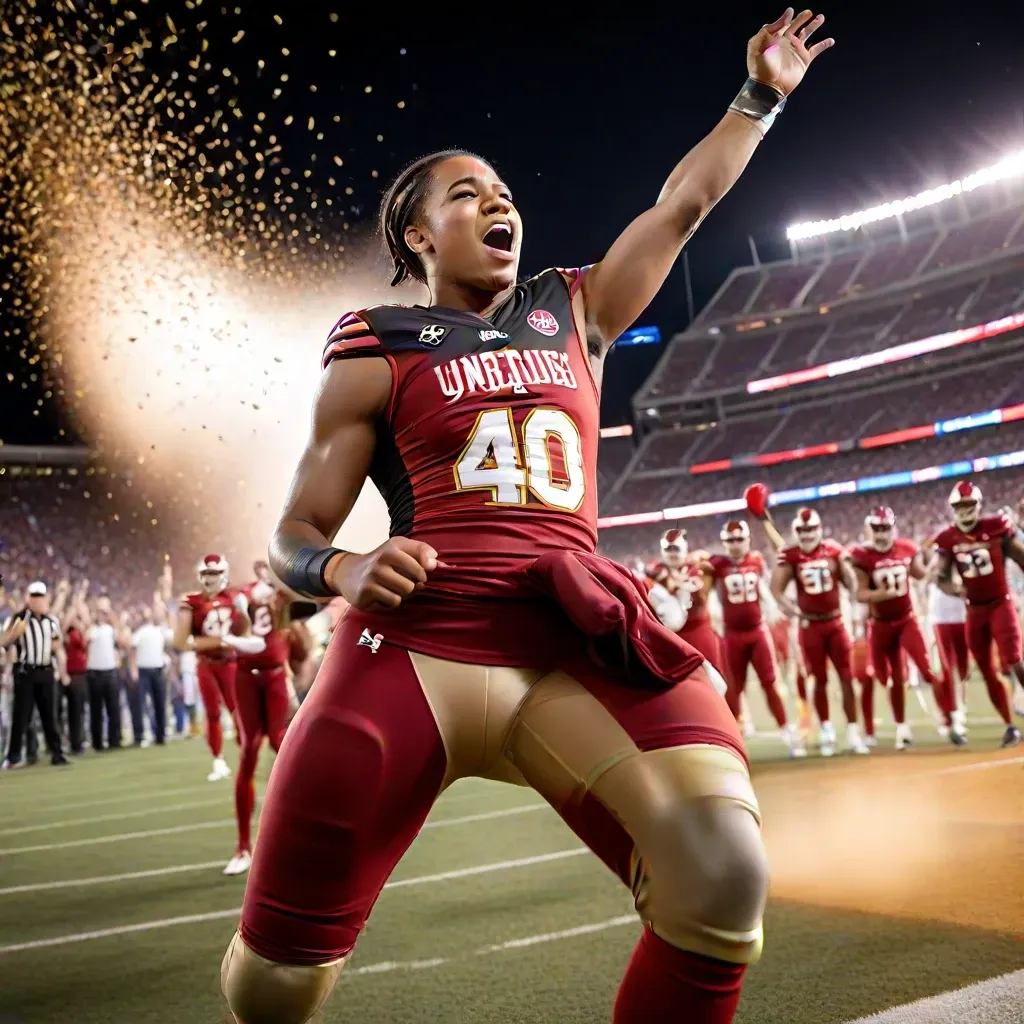
Another memorable underdog win came in a college football game. The Alabama Crimson Tide, perennial national championship contenders, were hosting the unranked Mississippi State Bulldogs. The spread was a ridiculous -35 points in favor of Alabama. While Alabama was undoubtedly the superior team, I felt that the massive spread offered an opportunity. My rationale was simple: Mississippi State had a stout defense, and Alabama was notorious for easing off the gas pedal once they had a comfortable lead. I placed a bet on Mississippi State to cover the spread. The final score was 42-10. Alabama won, but Mississippi State covered the spread, delivering a satisfying win.
These betting examples illustrate the power of thorough analysis, disciplined strategy, and a willingness to challenge conventional wisdom. It’s about finding value where others overlook it, understanding the nuances of the game, and having the conviction to back your judgment. These strategies aren’t foolproof, but they significantly increase your chances of finding value and profiting from underdog wins.
Conclusion
Unlocking consistent profit in underdog betting requires discipline, research, and a willingness to think differently. It’s about spotting opportunities others miss and capitalizing on value. Remember, the perceived ‘underdog’ often holds hidden potential for those who delve deeper. By implementing the strategies discussed – meticulous research, bankroll management, and understanding value – you significantly increase your chances of success.
The journey to becoming a profitable underdog bettor is ongoing. Stay curious, analyze your results, and continuously refine your approach. This is where expert advice becomes useful for you. Embrace the challenge, and you’ll find that betting on underdogs can be both exciting and rewarding.
The thrill of sports betting often lies in the unpredictable nature of the game. While favorites are generally considered safer bets, the true potential for substantial profit often resides with the underdogs. Those longshot wagers, the ones that make casual observers raise an eyebrow, can lead to surprisingly lucrative outcomes. As a seasoned sports bettor,…